

- Table of Contents
- What Is Dill Really?
- What Does Dill Taste Like?
- Is Dill the Same as Dill Weed?
- Fresh, Dried & Frozen Dill: What’s the Difference?
- How Do You Use Dill?
- When Should You Add Dill During Cooking?
- What Can You Use Instead of Dill?
- Does Dill Have Nutritional Benefits?
- Keep Chopped Dill Ready in Your Freezer
- Frequently Asked Questions (FAQs)
- Try Dill in Your Next Meal
- Show Less
![White downward chevron icon on a black background.]()
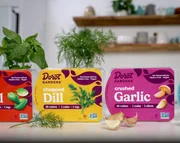
What is dill? Dill is a delicate green herb with soft, feathery leaves and a fresh, grassy flavor with light citrus and subtle anise notes. You’ll often see it in dishes with fish, potatoes, eggs, cucumbers, pickles, creamy sauces, and dips.
The leaves are commonly called dill or dill weed. Dill seeds come from the same plant, but they have a stronger, warmer flavor. Depending on the recipe, you can use the herb fresh, dried, or frozen.
Keep Dill Ready in Your Freezer
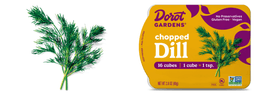
Want dill on hand without washing and chopping fresh herbs every time? Dorot Gardens Chopped Dill comes in pre-portioned frozen cubes, so you can use just the amount your recipe calls for.
One frozen dill cube = one teaspoon of chopped dill.
Pop. Drop. Done.®

What Is Dill Really?
Dill (Anethum graveolens) is an aromatic annual herb in the carrot family, Apiaceae. It’s related to familiar plants like parsley, celery, carrots, and fennel.
When people talk about the dill herb, they’re usually referring to its soft, feathery leaves. Both the leaves and seeds are used in cooking, but they taste different and suit different kinds of dishes.

Dill Leaves
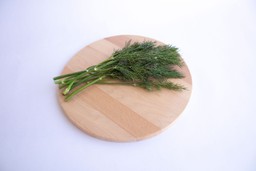
The leaves are what most recipes mean when they call for dill. They’re commonly used in sauces, salads, dips, dressings, seafood dishes, potatoes, and eggs.
Dill Stems
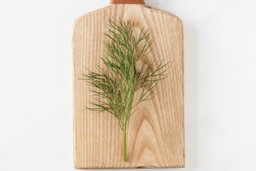
Tender dill stems are edible, so you can chop them along with the leaves. Thicker stems can go into stocks and soups for extra flavor, then be removed before serving.
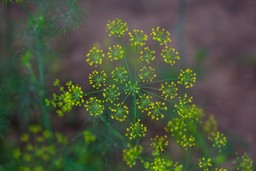
Dill Flowers
Dill also produces small yellow flowers that are edible. They can be used in vinegar, pickling, or as a garnish.
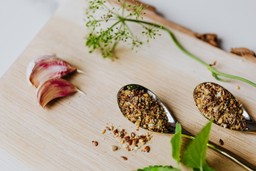
Dill Seeds
The seeds have a stronger, warmer flavor than the leaves. They’re often used in pickling, breads, soups, and other cooked dishes.
What Does Dill Taste Like?
If you’re wondering what does dill taste like, think fresh and grassy, with light citrus and a subtle hint of anise.
The leaves have a bright, herbal flavor, while dill seed tastes stronger and warmer. That difference helps explain why they’re used in different ways.
Dill pairs especially well with:
- Salmon and other fish
- Potatoes
- Cucumbers
- Eggs
- Yogurt and sour cream
- Lemon
- Mustard
- Garlic
Those pairings make it a natural fit for creamy dips, sauces, seafood, potatoes, soups, and salads.
Is Dill the Same as Dill Weed?
The two terms are often used interchangeably, but they don’t mean quite the same thing.
“Dill” can refer to the plant more broadly, including its leaves and seeds. “Dill weed” usually means the feathery leaves used as an herb.
So, when a recipe asks for dill weed, it generally means the leafy part rather than dill seed.
Fresh, Dried & Frozen Dill: What’s the Difference?
Fresh, dried, and frozen dill all come from the same herb, but each one works a little differently in the kitchen. Dill seed has its own flavor and uses, too.
| Type | Flavor & Texture | Good For |
| Fresh dill | Bright flavor with a soft, leafy texture | Garnishes, salads, dips, dressings, finished dishes |
| Dried dill | Dried herb with a different, less fresh texture and flavor | Soups, sauces, marinades, cooked dishes |
| Frozen dill | Chopped dill in a convenient frozen form | Fish, potatoes, sauces, dips, soups, eggs |
| Dill seed | Stronger, warmer flavor | Pickles, breads, soups, spice blends, longer-cooked dishes |
Fresh dill is a good choice when you want its soft texture and appearance to stand out. Dried dill is easy to keep in the pantry and works well in cooked dishes.
Frozen dill is useful when you want the herb ready to go without washing or chopping. Dorot Gardens Chopped Dill is pre-portioned into frozen cubes, with each cube equal to one teaspoon of chopped dill.
How Do You Use Dill?
There are plenty of practical dill uses, whether you’re cooking seafood and potatoes or making sauces, eggs, and salads.
Some easy places to start include:
| Use | Examples |
| Fish & seafood | Salmon, cod, trout, shrimp |
| Potatoes | Roasted, boiled, mashed, potato salad |
| Creamy dishes | Yogurt dips, sour cream sauces, dressings |
| Eggs | Scrambled eggs, omelets, egg salad |
| Soups | Vegetable, chicken, potato, beet |
| Salads | Cucumber, potato, pasta, green salads |
| Pickling | Pickles and other preserved vegetables |
| Sauces & marinades | Lemon sauces, herb marinades, creamy sauces |
It also pairs well with butter, lemon, garlic, or mustard when you want to add a fresh herbal note to an everyday dish.
When Should You Add Dill During Cooking?
Dill leaves are delicate, so they’re often added toward the end of cooking when you want their fresh flavor to stay noticeable.
For hot dishes, fresh or frozen dill can go in during the later stages of cooking. For cold dishes, such as dips, dressings, and yogurt sauces, stir it in once everything else is combined.
Dill seed is sturdier than the leaves, so it can go in earlier when a recipe needs more time to cook.
What Can You Use Instead of Dill?
The best substitute depends on what you’re making and whether you want actual dill flavor or another herb that can play a similar role.
| Substitute | How It Differs | Best For |
| Frozen dill | The same herb in frozen form | Recipes that call for chopped dill |
| Dried dill | Different texture and less fresh flavor | Soups, sauces, marinades |
| Tarragon | Stronger anise-like flavor | Seafood, chicken, creamy sauces |
| Fennel fronds | Sweeter with more licorice-like notes | Salads, seafood, garnishes |
| Parsley with lemon | Does not taste like dill but adds fresh herbal and citrus notes | Salads, sauces, lighter dishes |
If fresh dill isn’t available, frozen dill lets you use the same herb in a convenient form.
For more alternatives and help choosing the right replacement, read our guide to substitutes for fresh dill.
Does Dill Have Nutritional Benefits?
Fresh dill is very low in calories and contains small amounts of vitamins and minerals in typical culinary portions. You can find a more detailed nutrient breakdown in the USDA FoodData Central entry for fresh dill.
Most recipes only use a small amount, so its main role in everyday cooking is adding flavor.
Keep Chopped Dill Ready in Your Freezer
Fresh herbs are great to have around, but washing, chopping, and measuring them isn’t always something you want to deal with when you’re trying to get dinner on the table.
That’s where Dorot Gardens Chopped Dill comes in. It’s already chopped and frozen into pre-portioned cubes, which keeps the prep simple.


One Dorot Gardens frozen dill cube equals one teaspoon of chopped dill.
For hot dishes, you can add a cube straight from the freezer. For cold dishes, such as dips, sauces, dressings, or herb butter, let the cube soften briefly so it mixes in easily.
Frequently Asked Questions (FAQs)
Is dill the same as dill weed?
They’re closely related terms, but they can mean slightly different things. Dill can refer to the plant more broadly, while dill weed usually means the feathery leaves used as an herb.
Can you use dill stems?
Yes. Tender dill stems are edible and can be chopped along with the leaves. Thicker stems can be used to flavor stocks or soups, then removed before serving.
Can frozen dill replace fresh dill?
Frozen dill can work well in many recipes that call for chopped fresh dill, including soups, sauces, fish dishes, potatoes, eggs, dips, and dressings.
Its texture will be softer than that of a fresh sprig after freezing, so fresh dill may be a better choice when you specifically want the look and texture of a fresh garnish.
What is dill called in Spanish?
Dill is commonly called eneldo in Spanish.
Try Dill in Your Next Meal
Once you know what dill is and how it works in different dishes, one of the easiest ways to get familiar with its flavor is to cook with it.
Try the Cheesy Potato Bake with Dill today, or browse our full collection of dill recipes for more ideas.